

How To Change Air Filter
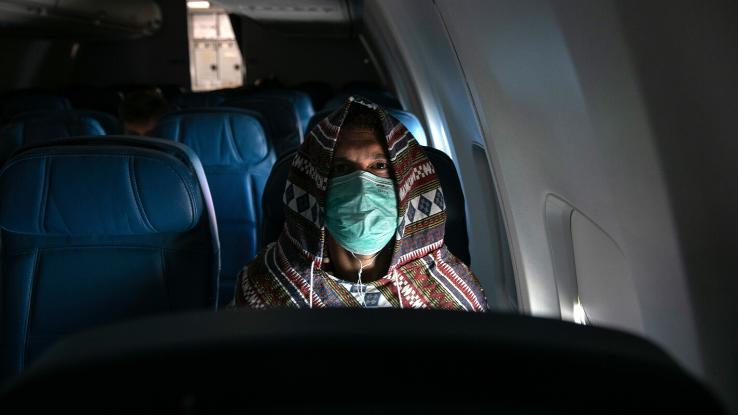
The far-reaching furnishings of the novel coronavirus pandemic took a toll on almost every industry imaginable, only the travel industry was hit particularly hard. With travel bans and shelter-in-place directives limiting folks' ability to fly, airlines began canceling a record number of flights as the number of people traveling past air dropped sharply. According to The New York Times, the number of commercial flights had, in August of 2020, dropped by 43% of what they'd been pre-pandemic, but to some experts this was cause for celebration. They considered this the "best figure" since March of 2020 — and since the 77% drop in flights that occurred in April of that year.
Needless to say, the once-booming aviation industry was hit hard by the pandemic. And so difficult, in fact, the manufacture received $54 billion in bailout money from Congress — and it took more than a year from the start of the pandemic for fifty-fifty one airline to begin posting profits over again.
Since restrictions began lifting and the COVID-19 vaccines became bachelor to virtually of the U.S. population, it became evident that people were itching to fly the friendly skies once more, with NPR reporting that, in simply over a twelvemonth since the pandemic began, air travel had risen back up to pre-pandemic levels. What'southward as well become clear is that we shouldn't expect things to just "go dorsum to normal," no matter how much we might desire them to. The COVID-19 pandemic showed us that at that place'due south no going back, menstruum — there'southward but going to be a new normal to suit to, and for airports, airlines and passengers, this new normal likely means new rules.
COVID-19 Began Changing Air Travel Most Immediately
For those who however needed to travel when the pandemic first striking, airlines enacted fairly drastic changes, all in the name of safety and, of grade, to mitigate the spread of the novel coronavirus. For example, JetBlue, known for having a grab-and-become snack cupboard on almost of its flights, suspended beverage and snack service, while airlines similar Delta blocked off heart seats, started boarding the planes dorsum to front end and only allowed 10 passengers to lath at a given time to maintain social distancing. Speaking of social distancing, most large-proper name airlines capped their occupancies at around 50% — not that flights were selling out anyway — to make more than room for passengers to spread out and maintain safe distances from one another.
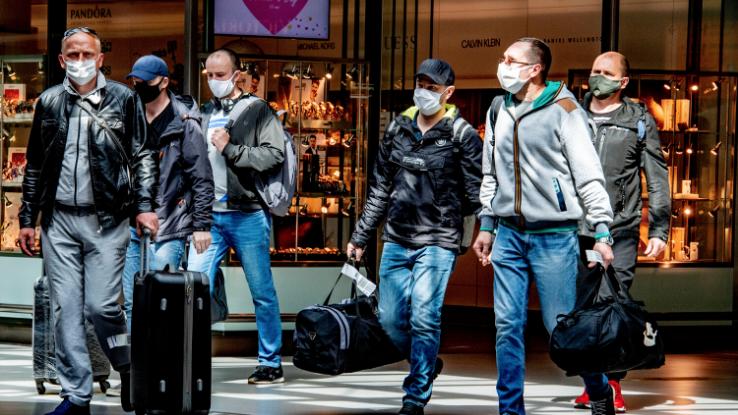
Still, information technology's difficult to predict how cantankerous-country and interstate travel will continue to be impacted. Past May of 2021, all major airlines had officially ended their social distancing requirements and stopped blocking off centre seats. Mask mandates weren't lifted, still, which begs the question, "How strict volition airlines get when information technology comes to practicing social distancing in the near hereafter?" In the aftermath of September 11, air travel changed drastically in the The states. From bulletproof cockpit doors and stricter ID guidelines to the cosmos of the Transportation Security Administration (TSA), the aviation industry and other powers that be reshaped not only how we travel but as well our perception of travel. The COVID-19 pandemic stands to do the aforementioned, perhaps to a lesser degree.
Scott Duncan, a partner at Skidmore, Owings & Merrill, was interviewed by Faddy and asked how things, especially airports, might change from a design perspective. One of Duncan's projects, a high-rise in Wuhan, China, brought to light the fact that elements like ventilation, sunlight and green spaces have all become higher-priority features. "Outdoor spaces are going from 'Oh, this is squeamish to accept' to 'It's a genuine amenity and peradventure a necessity to travel,'" Duncan told Vogue.
While redesigning or revamping airports in a thoughtful way is likely on the horizon, there are other safe considerations that the pandemic acquired facilities and companies to implement more quickly. For example, United began testing touchless kiosks and then customers could print tags and cheque numberless without being exposed to germs unnecessarily; Southwest installed plastic shields at ticket counters and gates to protect their workers; and some airlines, like Borderland, started taking passengers' temperatures. Alee of the eventual travel uptick, the U.S. travel industry released guidance for "Travel in the New Normal" so airlines could stay on the aforementioned folio across the lath when it came to emerging sanitation and other protective measures.
What Further Changes Can We Wait When It Comes to Traveling in the "New Normal"?
In addition to taking temperatures and installing plastic shields, airlines can exist expected to practice everything in their power to uphold social distancing standards. Regardless of how various states reacted — some began loosening or eliminating guidelines and lockdowns very early on, while others kept things fairly rigid until larger segments of their populations had been vaccinated — there remains a need for airlines need to err on the side of caution. Fifty-fifty as demand for flights has begun to increment, airlines nevertheless need to earn consumers' trust, and that means practicing an abundance of caution.
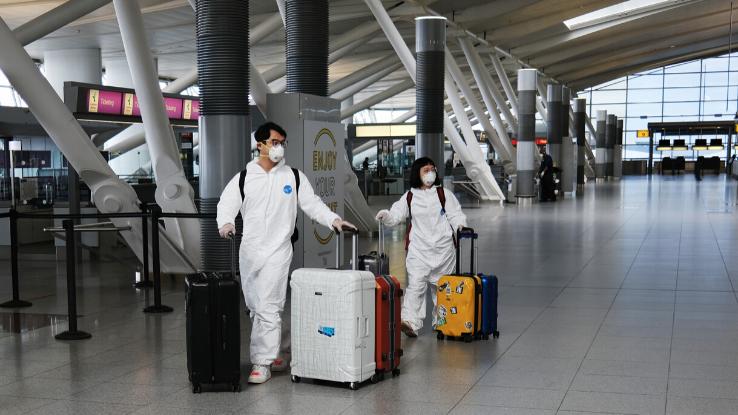
Another manner to win over audiences? Flexible cancellation and rebooking policies. Having the ability to change travel plans was central during the pandemic, and it remain this mode in our post-COVID-19 globe. Almost airlines allowed passengers to rebook flights and travel plans that were impacted by the pandemic, no questions asked, and fifty-fifty extended miles benefits into the next calendar year. Here's hoping that mentality sticks around.
In addition to lower motel capacities, we're hoping airlines might rethink their conclusion to reopen center seats to continue to let for mile-high social distancing. Aviointeriors, an Italian company, has an interesting solution in the "Janus" seat — a backwards middle seat that's surrounded on three sides by shields to allow for "maximum isolation between passengers," or and so its press release states. Adopting new cabin interior design features would, of course, have time. For at present, leaving middle seats empty (as much equally possible) and requiring face coverings is an easier solution, and near airlines are still requiring passengers to mask up if they desire to board their flights.
Some other things we'd dear to see? A more widespread apply of temperature checks, pre-packaged meals, fewer (if any) touchscreen kiosks and boarding policies that limit how many passengers tin congregate near the gate. Even before the COVID-xix pandemic, flight had its stress factors, but here'due south hoping that the aviation manufacture pulls together to put passengers' and workers' safety first far into the future.

How To Change Air Filter,
Source: https://www.ask.com/travel/life-after-covid19-air-travel-changes?utm_content=params%3Ao%3D740004%26ad%3DdirN%26qo%3DserpIndex
Posted by: childsrecare68.blogspot.com
0 Response to "How To Change Air Filter"
Post a Comment